

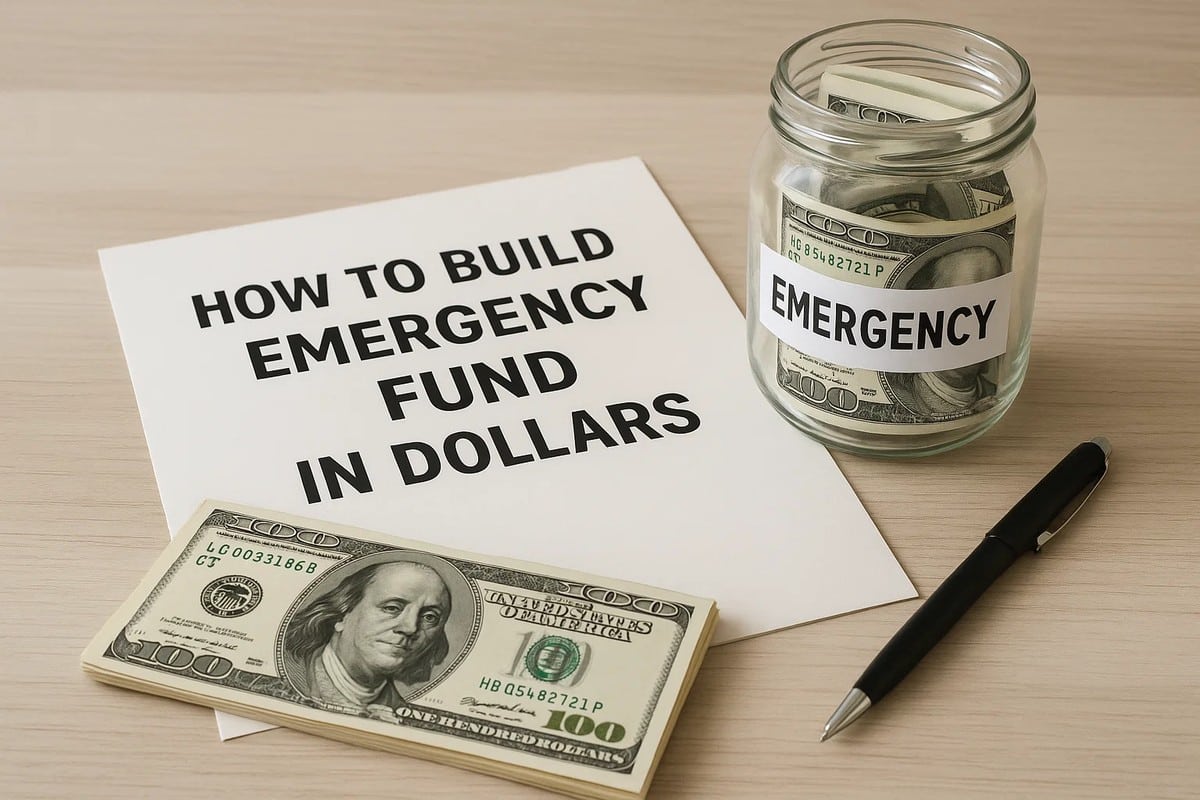
Building an emergency fund is a crucial step in managing your personal finances. Such a fund provides a financial cushion that can help you navigate unexpected expenses without resorting to high-interest debt. Whether it’s a sudden car repair or an unforeseen medical bill, having an emergency savings can offer peace of mind and financial stability.
With the right plan and discipline, anyone can build a robust emergency fund. This involves setting clear goals, understanding your monthly expenses, and making consistent contributions.
Understanding the importance of an emergency fund in personal finances
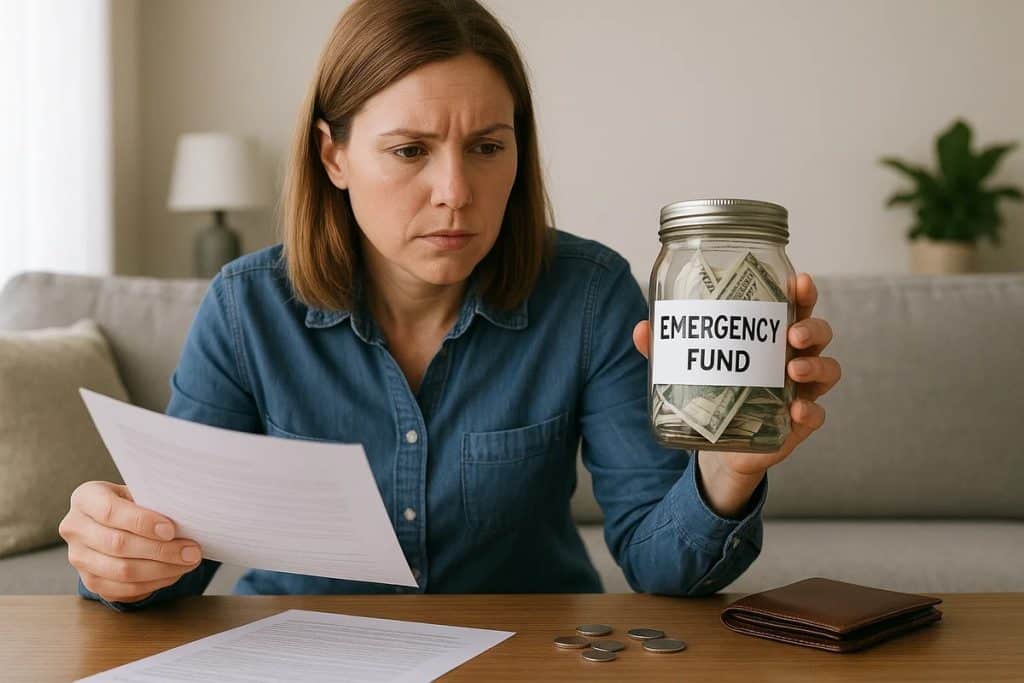
An emergency fund is an essential component of sound personal finances. It acts as a safety net, allowing you to manage unexpected expenses without jeopardizing your financial health. This reserve can prevent you from relying on loans or credit cards that could lead to debt cycles and financial stress.
Moreover, a well-established emergency fund contributes to your overall financial stability. It allows you to maintain your standard of living during tough times, such as job loss or economic downturns. It also reduces anxiety related to financial uncertainties and enhances your ability to achieve long-term financial goals.
Determining the right size for your emergency fund
Determining the appropriate size for your emergency fund is critical. Financial experts generally recommend saving three to six months’ worth of living expenses. This range provides a buffer that is large enough to cover most unforeseen expenses while still being manageable to save for. To calculate this, you need to assess your essential monthly expenses including housing, food, transportation, and utilities.
Consider your personal circumstances when determining the fund size. Factors such as job stability, health, and the number of dependents can influence how much you should save. If your job situation is less secure or if you have dependents relying on your income, you might aim for the higher end of the recommended range.
Strategies to build your emergency fund effectively
Building an emergency fund requires strategic planning and disciplined execution. Start by setting a specific savings goal and timeline. Automating your savings is an effective way to ensure consistency. Allocate a portion of your income directly to a dedicated savings account right after you receive your paycheck.
Another key strategy is to reduce unnecessary expenses. Scrutinize your monthly expenditures to identify areas where you can cut back. Redirect these funds into your emergency savings. Additionally, consider increasing your income through side jobs or selling unused items to boost your savings rate.
Practical tips to maintain your emergency savings
Maintaining your emergency savings requires ongoing vigilance and dedication. Once your fund reaches the desired amount, keep it intact for genuine emergencies only. It can be tempting to dip into these savings for non-urgent wants, but resist this to preserve your financial safety net.
Periodically review your financial situation and adjust your fund size as necessary. Life changes, such as a new job or a change in living arrangements, may affect your required savings amount. Consistently reassess your budget and savings goals to align with your current financial landscape, ensuring that your emergency fund is always optimized for your needs.
Securing your financial future with a robust emergency fund
Building a solid emergency fund is pivotal in securing your financial future. It not only aids in managing unforeseen expenses but also reinforces your overall financial security. By understanding its importance and implementing effective strategies, you can establish a resilient financial safety net.
Start building your emergency fund today to ensure peace of mind tomorrow. With dedication, strategic planning, and regular contributions, you can protect your finances and move closer to achieving long-term financial stability. Remember, the key to success lies in being prepared, and an emergency fund is a crucial step in that preparation.