

Understanding credit card fees is essential for making informed financial decisions. Every cardholder, whether new or experienced, encounters various fees associated with their plastic money. Being aware of these charges can significantly help manage and even reduce expenditures. Many might overlook these costs, but a closer look reveals their impact on overall financial health.
Credit cards can be great financial tools, offering convenience and rewards. However, the various fees associated with them can sometimes catch cardholders off guard. This guide will delve into the different types of charges you might encounter and provide strategies to avoid or minimize them, helping you manage your finances better and ultimately saving you money.
Common types of credit card fees
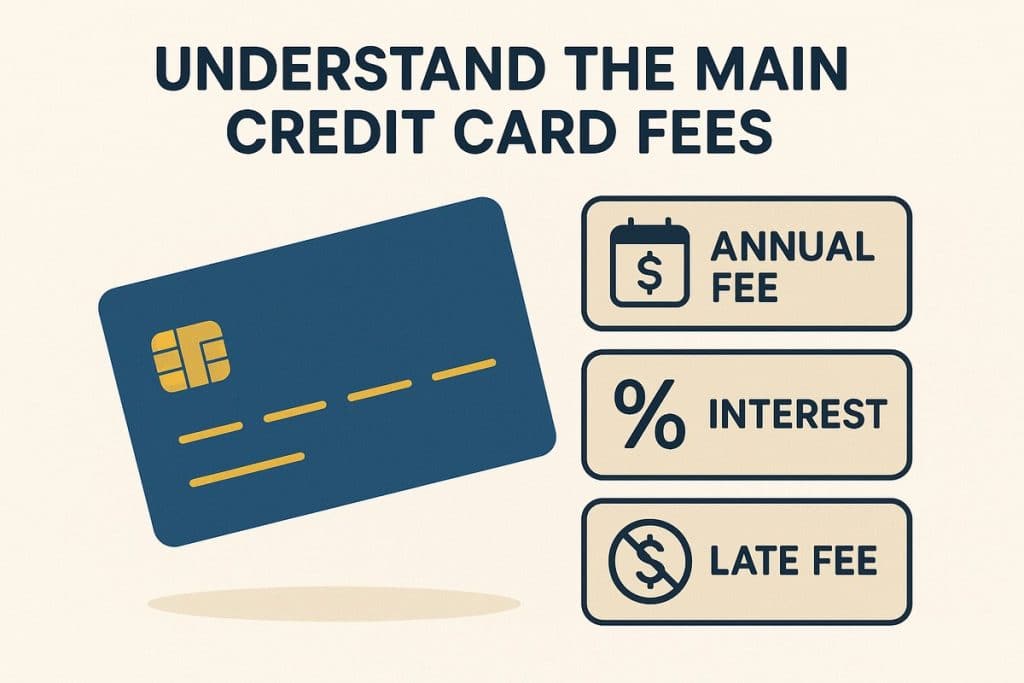
Credit card fees vary, but understanding the most common types is key. Annual fees are charges for the privilege of using the card, applied once a year. Many premium cards impose these, though some may not charge them, especially introductory offers.
Balance transfer fees apply when moving debt from one credit card to another, usually as a percentage of the total transferred amount. Over-limit fees may occur when you exceed your credit card limit. While less common now, they still exist with some cards.
Reducing unnecessary charges
To minimize credit card costs, begin by selecting the right card. Consider one with no annual fee or ensure its benefits outweigh the cost. Regularly paying off your balance avoids late fees and hefty interest charges. Setting up automatic payments can help, ensuring you never miss a due date.
Before taking a cash advance, explore alternatives due to its high costs. Should you need to transfer balances, find a card with a low or no balance transfer fee. Staying under your credit limit helps avoid over-limit fees. By being proactive and informed, you can keep unnecessary charges to a minimum.
The impact of credit card fees on your finances
Credit card fees may seem small individually, but they can accumulate over time, impacting your financial situation. Regularly incurring these charges can significantly reduce your disposable income, limiting your ability to save or spend elsewhere. High fees can contribute to debt accumulation, especially if they’re paired with high-interest rates. Unchecked, these costs can strain your finances, making it challenging to reach financial goals.
Awareness of fees and actively managing your credit card usage can mitigate these impacts. Regularly reviewing your card’s terms and conditions, along with monthly statements, keeps you updated on potential changes in fees. By understanding and actively managing these costs, you protect your financial health and improve your overall economic well-being.
Practical steps for managing fees
Start by reviewing all your card agreements, taking note of applicable fees and charges. Consider using budgeting apps to track spending. This helps identify any recurring fees that might have gone unnoticed. Where possible, switch to cards that offer no or low fees. Contact your card issuer and negotiate waivers, especially if you’ve been a long-term customer.
Good financial habits ensure better credit card management. Establish a routine of checking your balance and payments. This keeps your credit utilization low, benefiting your credit score. Educate yourself by reading financial blogs, consulting experts, and regularly assessing your credit card choices against available options.
Conclusion: Taking control of your credit costs
Credit card fees don’t have to be a daunting aspect of managing your finances. By understanding and actively managing these costs, you take significant steps toward financial empowerment. With informed decision-making and proactive habits, you can minimize these fees, thus maximizing the benefits your credit card offers.
Take charge of your financial journey today. Review your current credit card terms, educate yourself on the various fees, and implement strategies to keep these costs in check. A well-informed cardholder is not just a savvy consumer but also on the path to achieving greater financial freedom.