

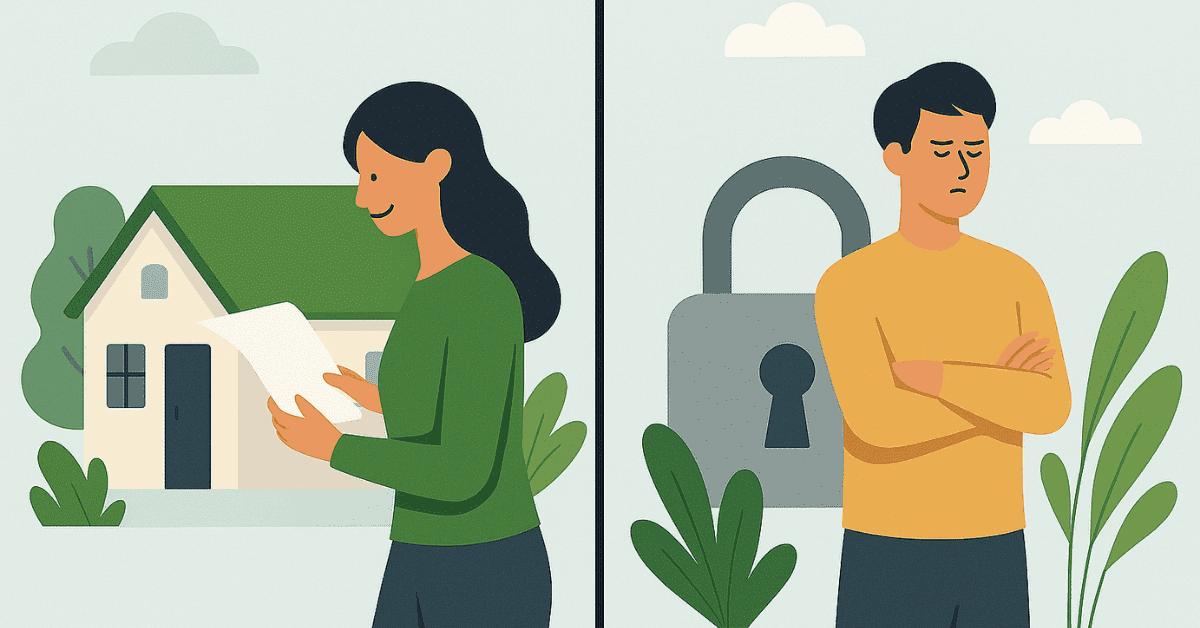
Understanding the distinctions between secured and unsecured loans is essential for anyone exploring borrowing options. Both types of loans provide access to funds when immediate cash isn’t available, yet they differ significantly in structure and requirements. Secured loans rely on collateral to guarantee repayment, while unsecured loans do not.
This core difference influences interest rates, approval criteria, and borrowing limits. By recognizing how each option works, borrowers can make informed financial decisions that align with their goals and long-term stability.
Key differences between secured and unsecured loans
Secured loans are backed by collateral—such as a vehicle, home, or savings account—giving lenders a tangible asset to claim if repayment fails. Because this reduces lender risk, secured loans typically offer lower interest rates and higher borrowing limits. This makes them appealing for substantial financial needs like mortgages or auto loans. However, the risk to borrowers is greater, as failing to repay could result in losing an important asset with long-term financial consequences.
Unsecured loans, by contrast, require no collateral. Common examples include credit cards, personal loans, and student loans. Since lenders shoulder more risk with no asset to reclaim, unsecured loans often come with higher interest rates, stricter approval standards, and smaller borrowing limits. Approval largely depends on credit history, income, and overall financial stability. These loans are typically better suited for smaller expenses and borrowers seeking quicker, more flexible financing options.
Choosing the right borrowing option
Deciding between secured and unsecured loans depends on your goals, resources, and risk tolerance. If you’re financing a high-value purchase and qualify for favorable rates, a secured loan may offer beneficial terms. Still, it’s important to ensure you’re comfortable with the collateral requirement. For shorter-term or smaller expenses, unsecured loans may provide the simplicity and speed you need without risking personal assets, though often at a higher cost.
Before applying, evaluate your credit score, compare lender terms, and outline a realistic repayment plan. Consulting a financial advisor can help clarify uncertainties and provide tailored guidance. Ultimately, selecting the right type of loan requires balancing affordability, risk, and long-term financial stability—ensuring the borrowing decision supports your overall financial well-being.
Read more: Secured Credit Cards: Beginner’s Guide