

Managing your finances effectively is crucial to escaping the clutches of debt and rebuilding a stable financial future. Many individuals find themselves overwhelmed when attempts to regain financial stability feel unattainable.
However, with strategic planning and discipline, it’s quite possible to overcome debts and improve your credit rating, setting the stage for a healthier economic outlook. By laying out a thoughtful approach, prioritizing your expenses, and diligently meeting your financial obligations, recovery is within reach.
Understanding your financial situation
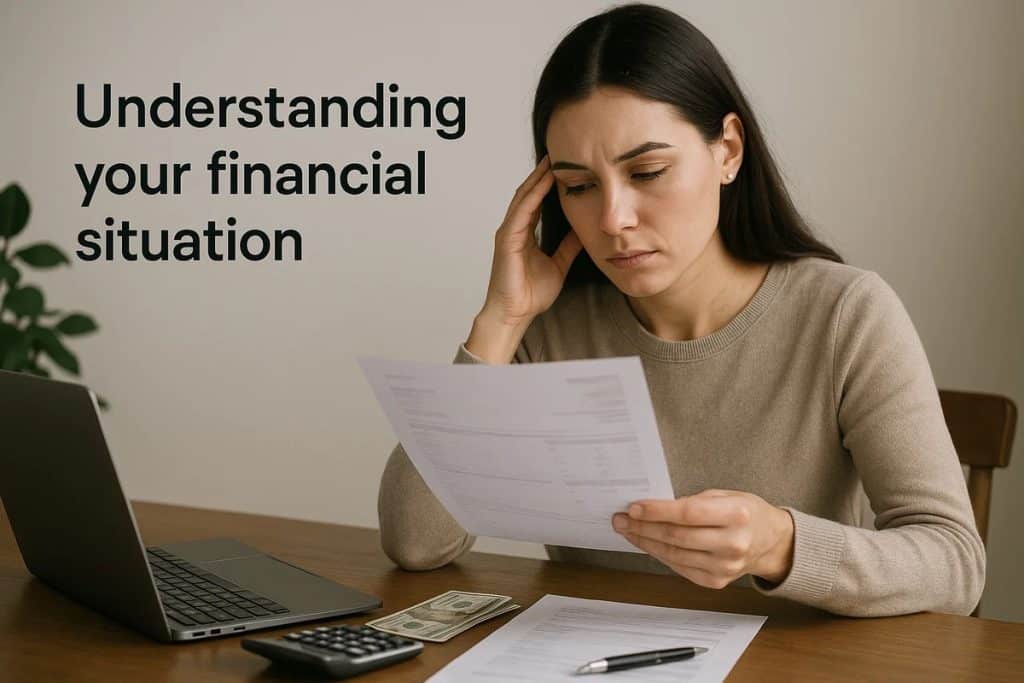
The first step towards reclaiming your financial independence is understanding where you stand financially. Begin by gathering all essential documentation related to your income, expenses, liabilities, and assets. This helps in evaluating your current status accurately. Doing so allows you to recognize patterns in your spending and assess the root causes of your debt.
Taking stock of these fundamental details enables you to craft a robust plan tailored to your unique circumstances. Identify which debts have the highest interest rates, and prioritize minimizing these to avoid further financial strain.
Crafting a realistic budget
Creating an honest and straightforward budget is vital in addressing your financial concerns. A well-structured budget allows you to allocate your resources sensibly while ensuring that necessities are covered before extras. Start by listing all your monthly income and expenses, categorizing them into essentials such as housing and non-essentials like dining out.
Adjust your lifestyle to accommodate this budget, focusing on reducing unnecessary expenditures. By maintaining this disciplined approach, you’ll find it easier to make consistent progress toward debt reduction and building credit stability over time.
Strategically paying off debts
Your next move will involve settling your debts in a systematic manner. There are several approaches to consider. The “avalanche method” focuses on eliminating high-interest debts first, which is financially prudent in the long run. Alternatively, the “snowball method” helps build confidence by clearing smaller debts first, thus maintaining motivation.
Whichever strategy you choose, ensure you’re making at least the minimum payments on all accounts to avoid penalties. Allocating windfalls like tax refunds towards debt reduction can also hasten your progress, alleviating the burden on your pocket.
Rebuilding your credit score
Rehabilitating your credit score involves diligent effort and time. Begin by reviewing your credit reports for errors, disputing any inaccuracies you find. Such corrections can have a significant impact, enhancing your credit health. Paying bills on time considerably improves your score, as payment history constitutes a substantial part of the scoring model.
Consider securing a credit-builder loan or a secured credit card, making sure any new credit is maintained responsibly. Keep your credit utilization low and avoid taking on new debts, ensuring that you demonstrate responsible financial behavior consistently.
The path to financial freedom
Emerging from debt and rejuvenating your credit is a progressive journey, not a rapid fix. Patience and persistence are critical elements. Celebrate each small victory as they contribute to broader financial stability, encouraging you to adhere to your plan confidently.
By thoroughly understanding your financial landscape, implementing strategic budgeting and debt repayment techniques, and patiently rebuilding your credit profile, you pave the way for long-term financial freedom. With commitment and determination, a debt-free, secure future is entirely achievable.